
Argonaute 2: A Molecular Barrier to Immunotherapy Success in Lung Cancer

Article audio
Listen to a generated narration of this post.
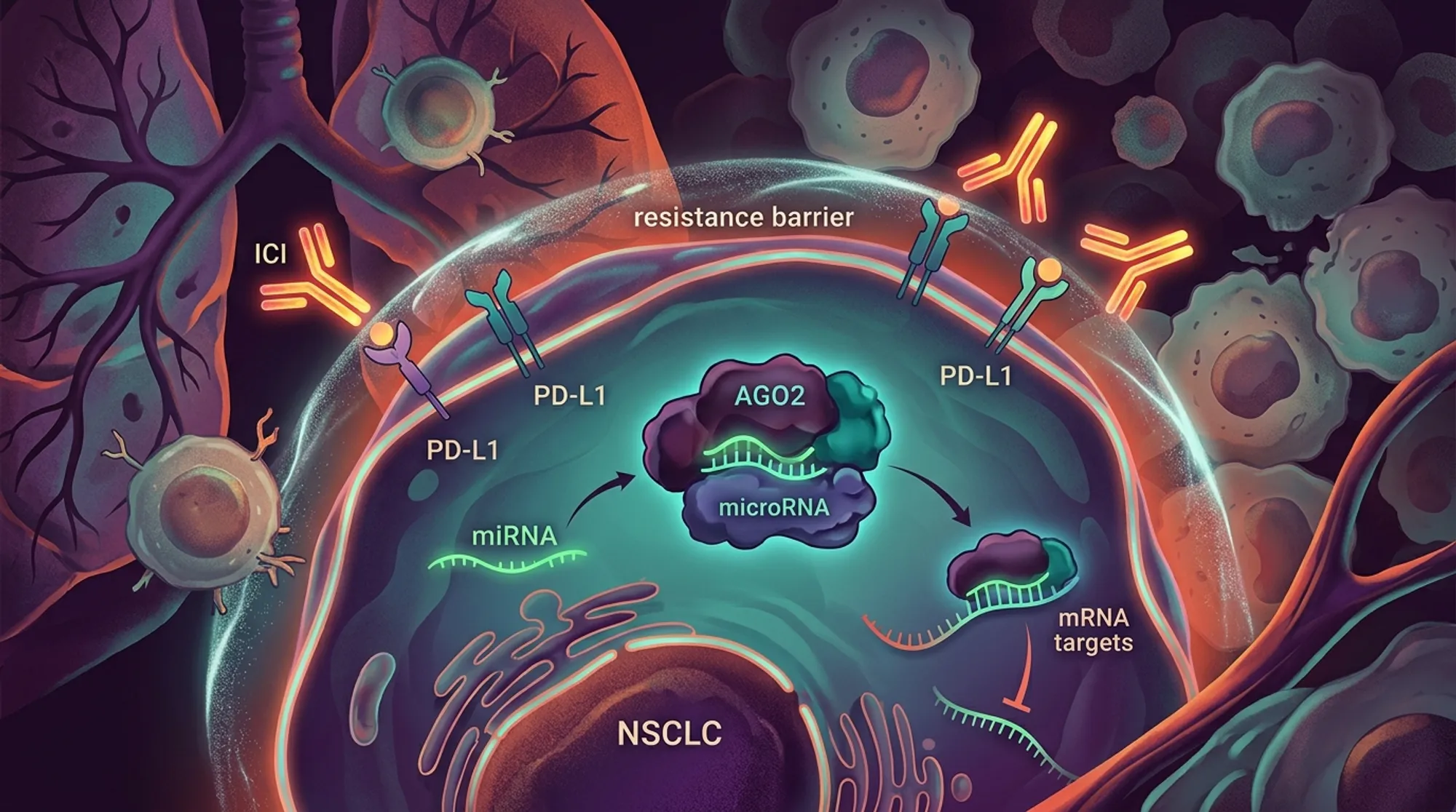
Immune checkpoint inhibitors (ICIs) have revolutionized treatment for many cancers, including non-small cell lung cancer (NSCLC). Yet, a significant number of patients see little benefit because their tumors resist these therapies. What if a tiny molecule inside tumor cells is helping cancers hide from the immune system? Recent research shines a spotlight on Argonaute 2 (Ago2), revealing how it dampens immune signaling and blocks the effectiveness of ICIs in lung cancer.
TL;DR
- Argonaute 2 in lung cancer cells suppresses interferon signaling, reducing immune cell infiltration and causing resistance to immune checkpoint inhibitors.
- Removing or inhibiting Ago2 in tumor cells restores immune activity and sensitizes resistant lung cancers to immunotherapy, suggesting a promising new therapeutic target.
Lung cancer remains one of the deadliest cancers worldwide, with non-small cell lung cancer (NSCLC) making up about 80% of cases. Immune checkpoint inhibitors, which unleash the body’s own immune system to attack tumors, have become a frontline treatment for advanced NSCLC. These therapies work by blocking proteins like PD-1 and PD-L1 that tumors use to evade immune attack. However, many tumors are ‘cold’ — lacking sufficient immune cell infiltration — and do not respond well to these treatments. Understanding the molecular reasons behind this immune resistance is crucial for improving patient outcomes.
Researchers used two mouse models of immunotherapy-resistant NSCLC, implanting tumor cells with and without Argonaute 2 (Ago2) expression. They measured tumor growth and immune cell infiltration after treatment with immune checkpoint inhibitors. Additionally, they performed transcriptomic analyses to examine gene expression changes related to interferon signaling and inflammation. The team also tested small-molecule inhibitors known to target Ago2 activity in vivo. Finally, they analyzed patient tumor data to correlate Ago2 levels with treatment outcomes.
The study found that tumors expressing Ago2 grew faster and resisted immune checkpoint therapy, while tumors lacking Ago2 showed slower growth and became sensitive to treatment. Loss of Ago2 in tumor cells led to increased expression of interferon-stimulated genes and inflammatory signals that attract immune cells. This was linked to the accumulation of double-stranded RNA from transposable elements, which normally are suppressed by Ago2. Inhibitors of Ago2 reduced tumor growth in mice, supporting the idea that Ago2 helps tumors evade immune attack. Analysis of NSCLC patient samples revealed that high Ago2 expression and low interferon activity correlated with poorer survival after immunotherapy.
This research uncovers a novel mechanism by which lung tumors evade immune destruction—through the action of Argonaute 2 suppressing interferon signaling and immune infiltration. Targeting Ago2 could ‘heat up’ cold tumors, making them more visible to the immune system and improving the effectiveness of immune checkpoint inhibitors. These findings open new avenues for combination therapies that may overcome resistance in a substantial subset of lung cancer patients, potentially leading to better clinical outcomes.
While the results are promising, the study primarily relies on mouse models and correlative patient data. Further research is needed to validate Ago2 inhibitors’ safety and efficacy in humans and to understand how Ago2 interacts with other components of the tumor microenvironment. Additionally, the complexity of immune resistance mechanisms means that targeting Ago2 may benefit some patients but not all. Clinical trials will be essential to determine the therapeutic potential of Ago2 inhibition in lung cancer immunotherapy.